Korean Pantry Staples: 10 Essential Ingredients to Start Cooking Korean Food at Home
Korean Pantry Staples: 10 Essential Ingredients to Start Cooking Korean Food at Home
Korean Pantry Staples: 10 Essential Ingredients to Start Cooking Korean Food at Home
If you’ve fallen in love with the bold, complex flavors of Korean cuisine — whether through a steaming bowl of bibimbap, fiery tteokbokki, or our viral gochujang recipes — you might be wondering how to recreate those tastes in your own kitchen. The good news? You don’t need a specialty store in your neighborhood or a plane ticket to Seoul. With just 10 Korean pantry staples, you can build a foundation for hundreds of authentic and fusion Korean dishes right at home.
At TeamFoodie, we’ve broken down the essential Korean cooking ingredients every home cook should have — from the iconic fermented pastes that define the cuisine to the aromatic oils and seasonings that tie everything together. Whether you’re a complete beginner or looking to expand your Asian pantry, this guide will show you exactly what to buy, how to use it, and where to find it.
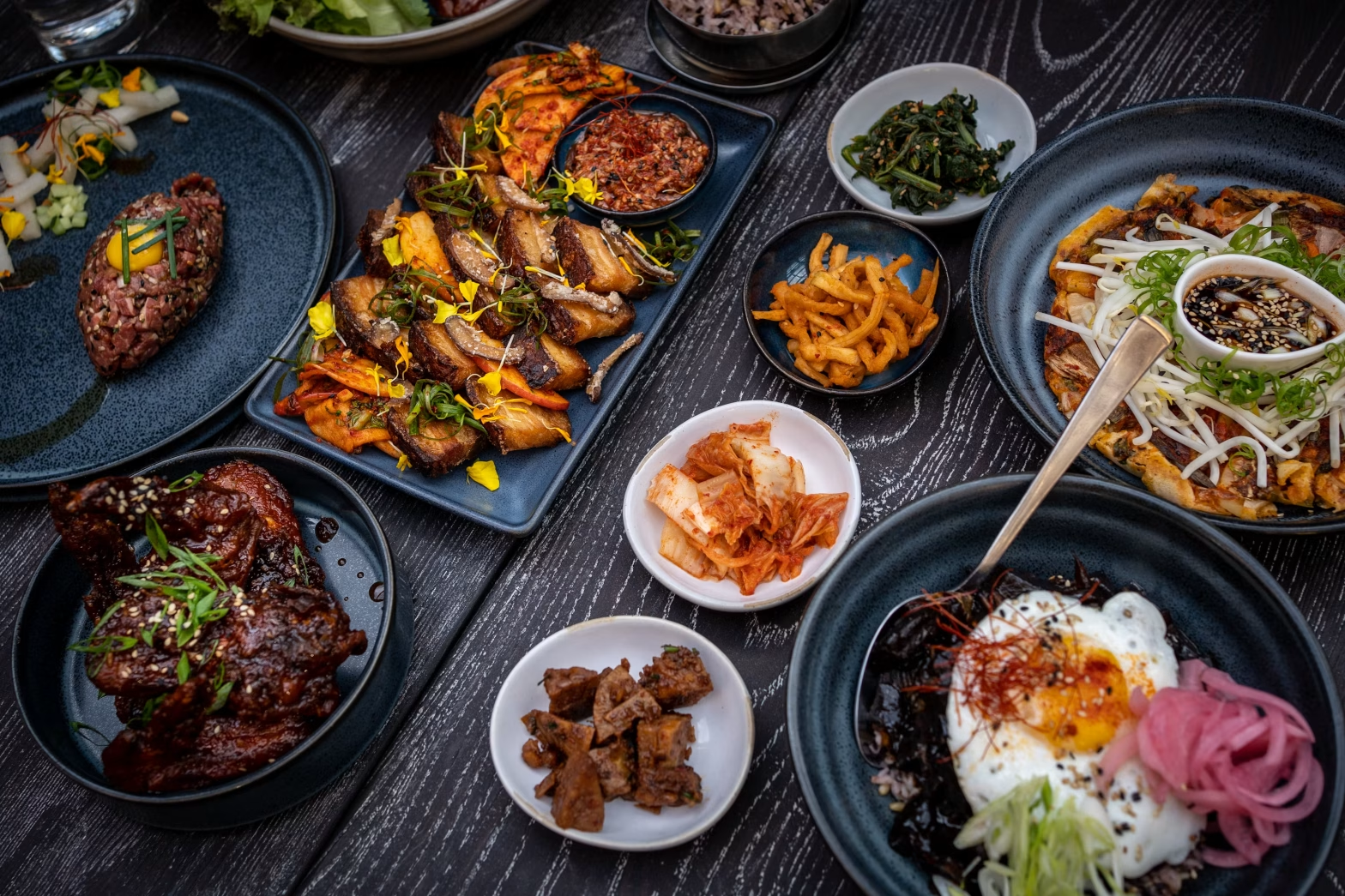
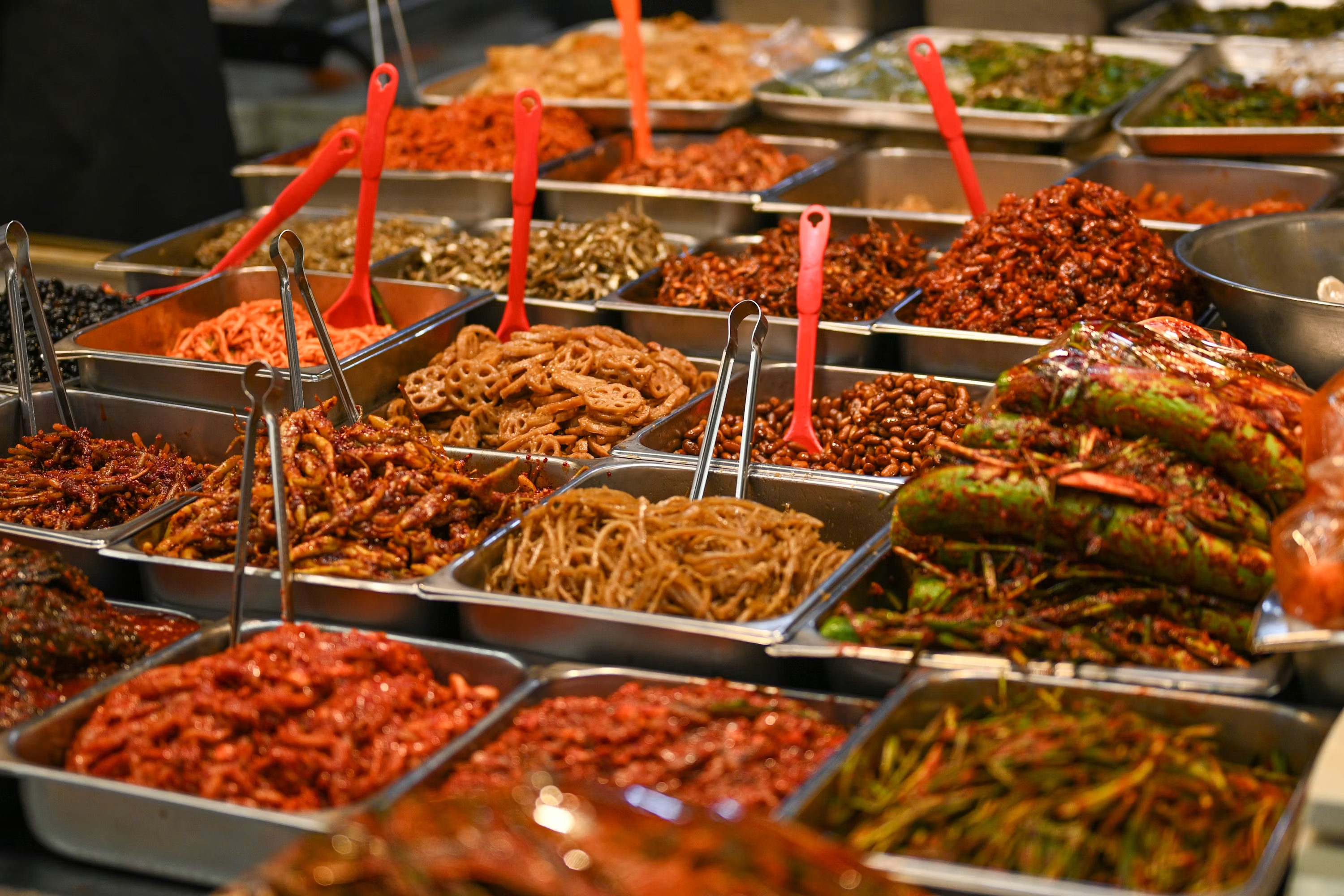
A traditional Korean spread — the flavors all start with a well-stocked pantry.
Can I substitute gochujang with sriracha?
No — they have completely different flavor profiles. Gochujang is thicker, sweeter, and more complex due to fermentation. If you can’t find it, try mixing miso paste with chili powder and a touch of sugar, but the result won’t be identical.
What’s the difference between doenjang and miso?
Doenjang is funkier, saltier, and less sweet than Japanese miso. It’s also typically chunkier. While you can substitute miso in a pinch, doenjang has a distinct Korean character that shines in stews and dipping sauces.
How long do Korean pastes last in the fridge?
Gochujang and doenjang last 6-12 months refrigerated. They may darken or dry slightly at the edges, but they remain safe to eat. Just scrape off any dried bits before using.
Can I use regular soy sauce instead of Korean soy sauce?
Yes, in most recipes. Japanese soy sauce works well as a substitute. Avoid Chinese dark soy sauce unless the recipe specifically calls for it, as it’s much saltier and darker.
What should I cook first with my new Korean pantry?
Start simple! Make a gochujang stir-fry, doenjang jjigae with tofu and vegetables, or kimchi fried rice. Once you’re comfortable, try our complete gochujang recipe collection for more advanced dishes!
Conclusion: Build Your Korean Pantry, One Ingredient at a Time
Stocking a Korean pantry doesn’t have to be overwhelming or expensive. Start with the three essential jang — gochujang, doenjang, and soy sauce — add gochugaru, sesame oil, and a few fresh aromatics, and you’ll already have everything you need to cook dozens of authentic Korean dishes at home.
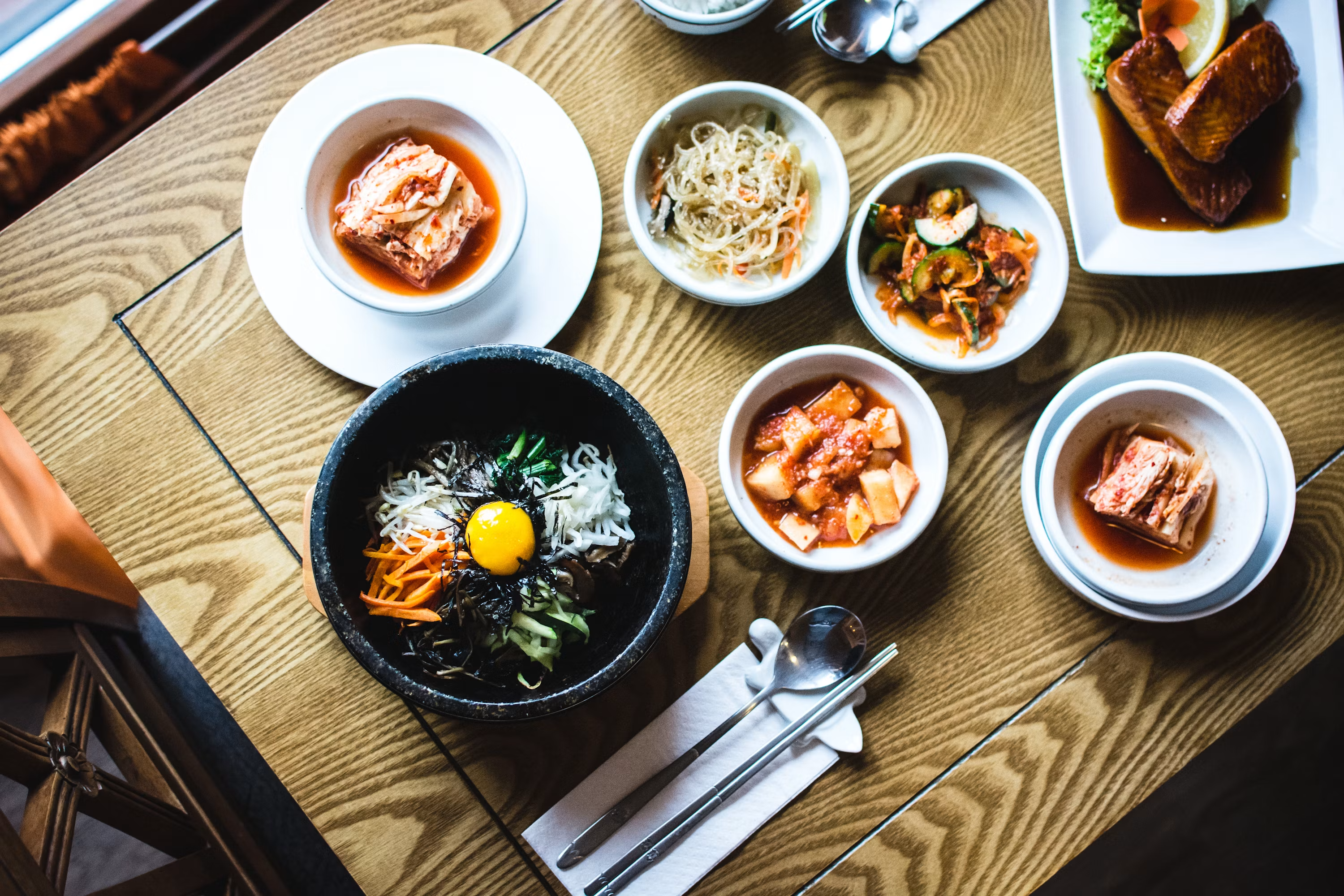
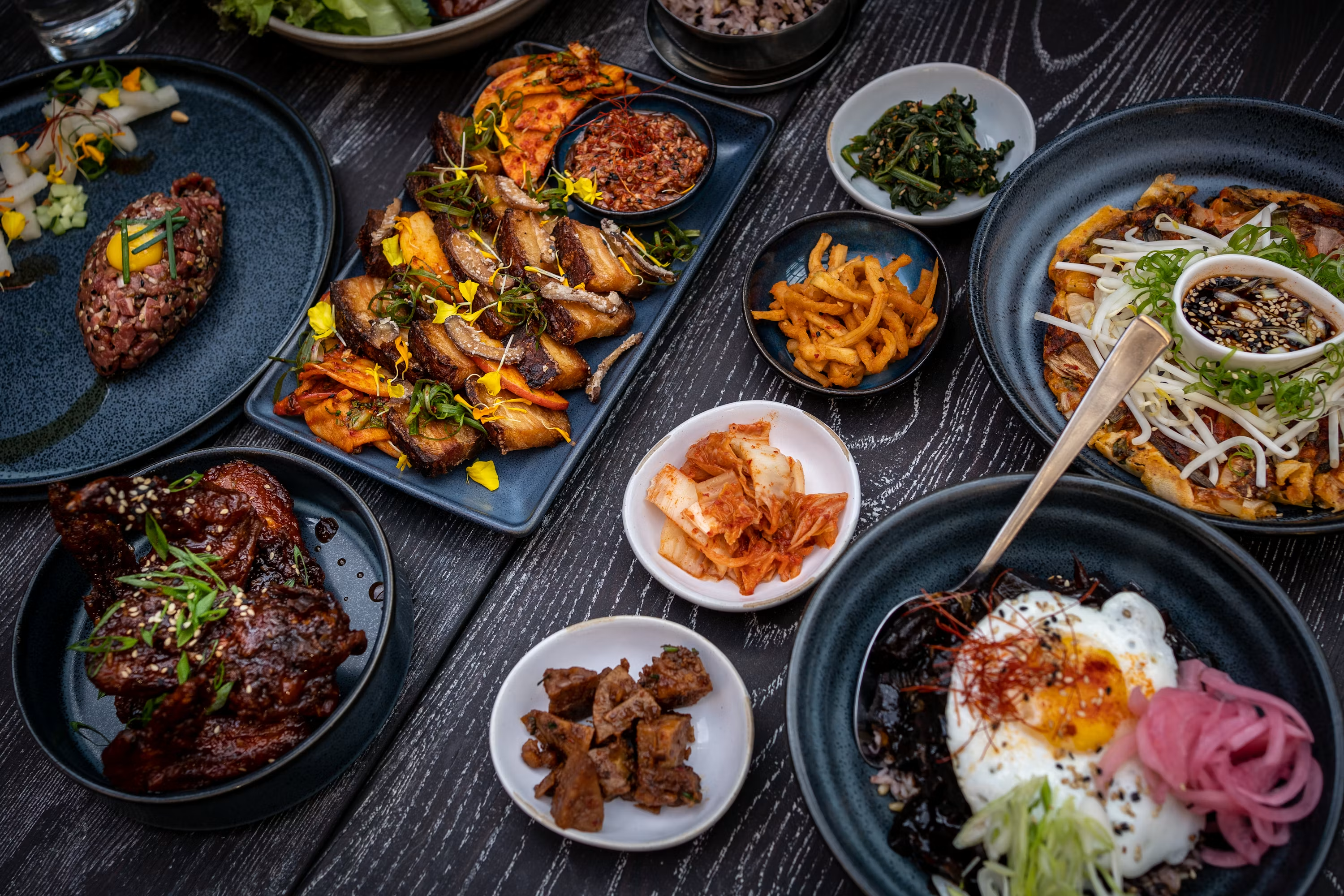
With just 10 pantry staples, you can create a Korean feast like this at home.
At TeamFoodie, we believe that exploring global cuisines should be exciting, not intimidating. Korean cooking is all about bold flavors, fermented depth, and the joy of sharing food with others. Pick up a few of these ingredients on your next grocery run, try one of our gochujang recipes or 15-minute dinners, and start your Korean cooking journey today!
Which Korean ingredient are you most excited to try? Drop a comment below and let us know!