Fermented Foods Guide: Easy Recipes for Gut Health (Kimchi, Sauerkraut, Kombucha & More)
Fermented Foods Guide: Easy Recipes for Gut Health (Kimchi, Sauerkraut, Kombucha & More)
Fermented Foods Guide: Easy Recipes for Gut Health (Kimchi, Sauerkraut, Kombucha & More)
If you’ve been paying attention to the wellness world, you’ve probably noticed one word everywhere: fermentation. From trendy kombucha bars and artisan kimchi to homemade sourdough and probiotic yogurt, fermented foods have moved from niche health circles straight into mainstream kitchens. At TeamFoodie, we’re diving deep into the delicious, tangy world of fermentation with this complete fermented foods guide — packed with easy recipes, science-backed benefits, and practical tips for beginners.
Whether you want to brew your own kombucha, master homemade sauerkraut, spice things up with kimchi, or simply understand why fermented foods are so good for your gut, this guide has everything you need. Best of all? You don’t need fancy equipment or a chemistry degree. Just a jar, some salt, and a little patience. Let’s get fermenting!
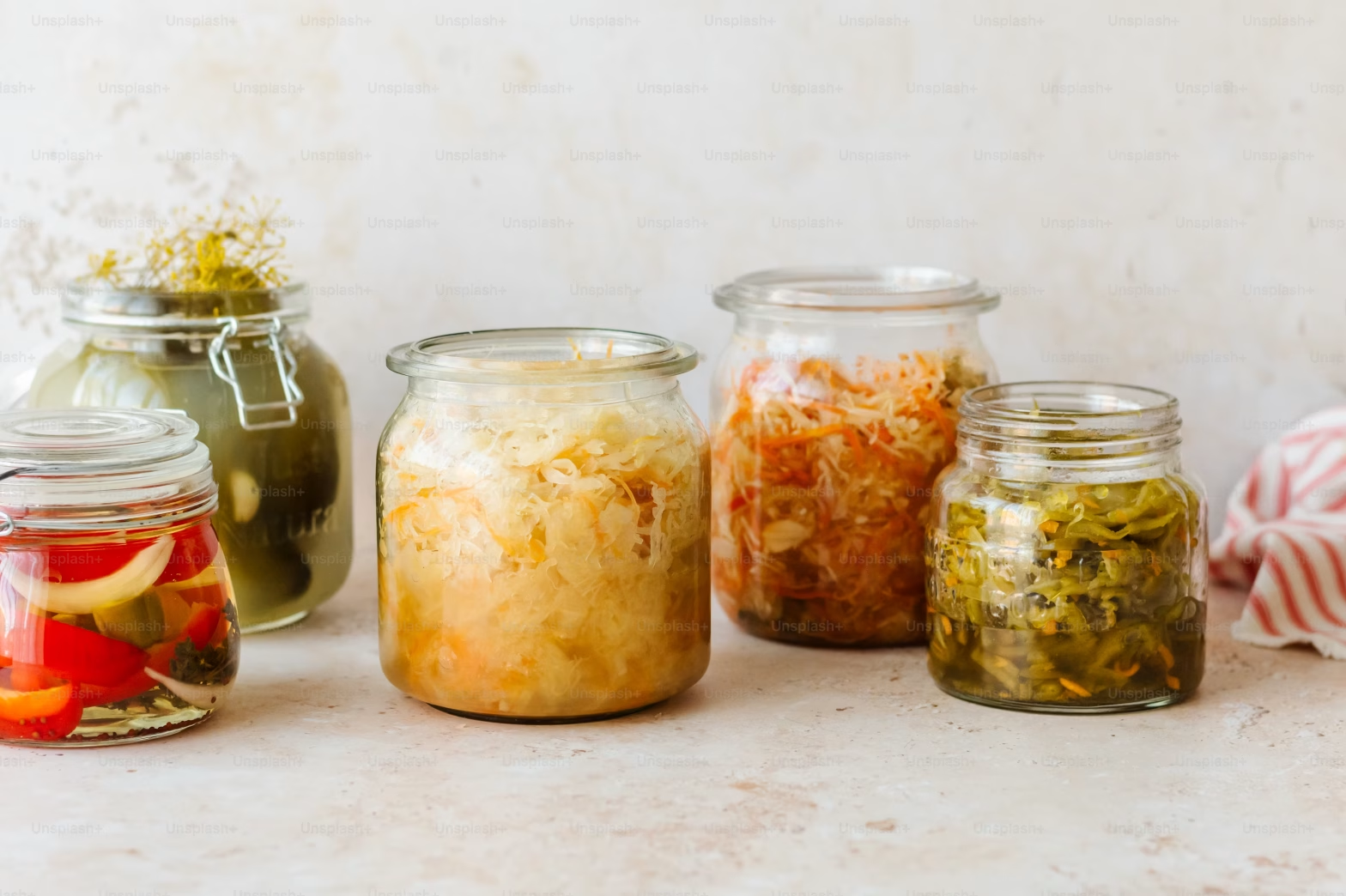
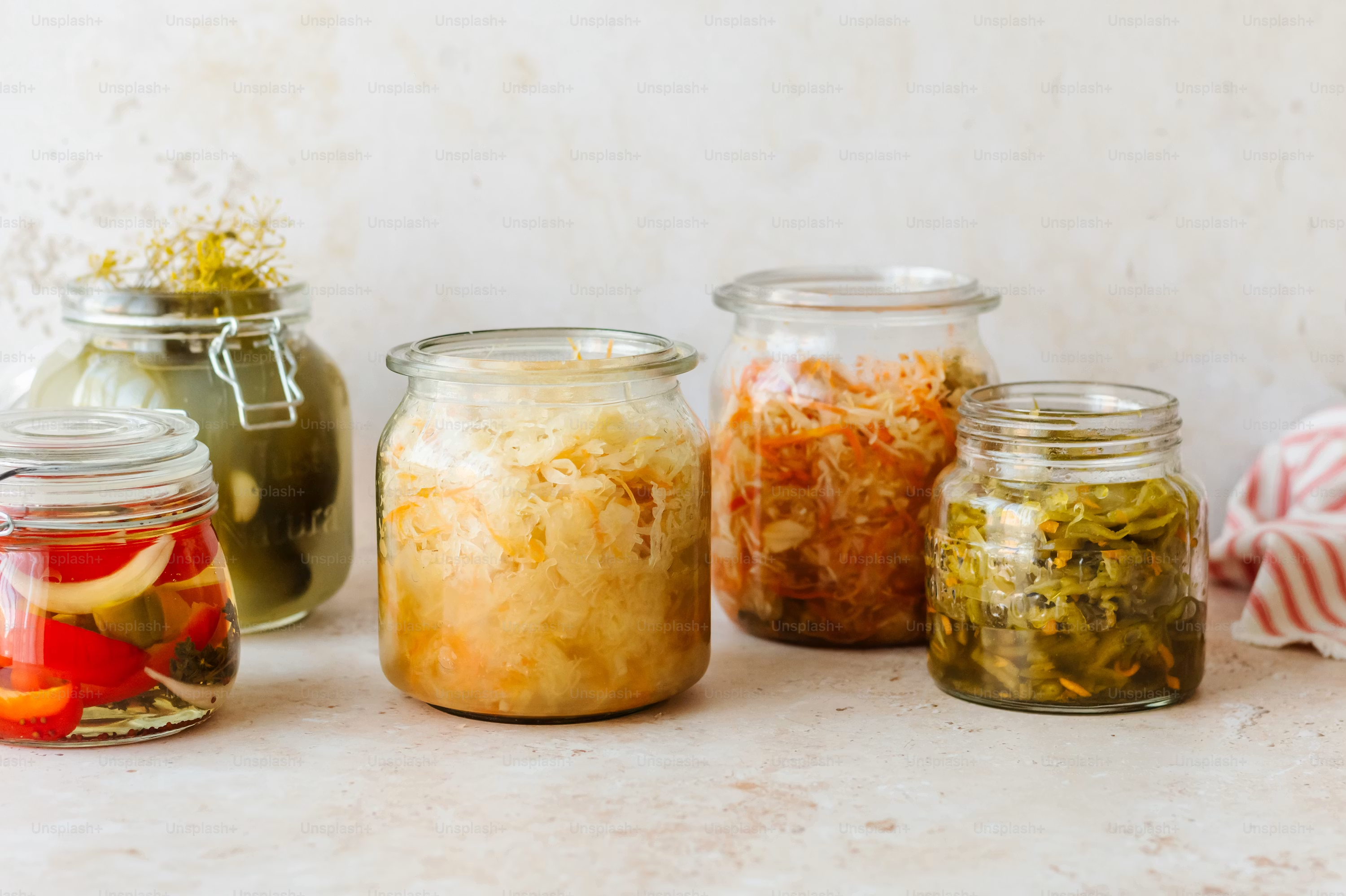
Homemade fermented vegetables in mason jars — the easiest way to add probiotics to your diet.
What Are Fermented Foods? The Science Made Simple
Fermented foods are foods and beverages that have undergone lacto-fermentation — a natural process where beneficial bacteria feed on sugars and starches, creating lactic acid. Fermented foods are food that has gone through the process of lactofermentation. This is where natural bacteria feed on sugar and starch, creating lactic acid. As well as preserving the food, fermentation also creates beneficial enzymes, b-vitamins, Omega-3 fatty acids, and various strains of probiotics.
This process not only preserves the food but also transforms it nutritionally. The beneficial bacteria — known as probiotics — multiply during fermentation, creating a food that’s easier to digest and more nutrient-dense than its raw counterpart. Fermentation also produces enzymes, B-vitamins, omega-3 fatty acids, and various strains of gut-friendly bacteria.
Humans have been fermenting food for thousands of years. Before refrigeration, fermentation was essential for preserving harvests through long winters. Today, we ferment foods not just for preservation, but for the incredible health benefits and complex flavors that only time and bacteria can create. From Korean kimchi and German sauerkraut to Indian dosa and Japanese miso, nearly every culture has its own fermented traditions.
Already fermenting sourdough? Check out our complete sourdough starter guide for step-by-step instructions. And don’t miss our gochujang recipes — that spicy Korean paste is fermented too!
Remove the outer leaves of the cabbage and set one aside. Core and finely shred the cabbage.
Place shredded cabbage in a large bowl and sprinkle with salt. Massage vigorously with clean hands for 5-10 minutes until the cabbage releases plenty of liquid and becomes wilted.
Pack the cabbage tightly into your mason jar, pressing down firmly so the brine rises above the cabbage. Use the reserved outer leaf to tuck over the top and keep shreds submerged.
Place a small weight (a clean stone or fermentation weight) on top to keep everything under the brine.
Cover loosely with a lid or cloth. Let ferment at room temperature for 3-7 days, tasting daily after day 3.
Once it reaches your desired tanginess, seal the jar and refrigerate. It will keep for 3-6 months!
Flavor variations: Add caraway seeds, dill, garlic, or juniper berries for classic German-style kraut. For a spicy twist, add red pepper flakes or sliced jalapeños.
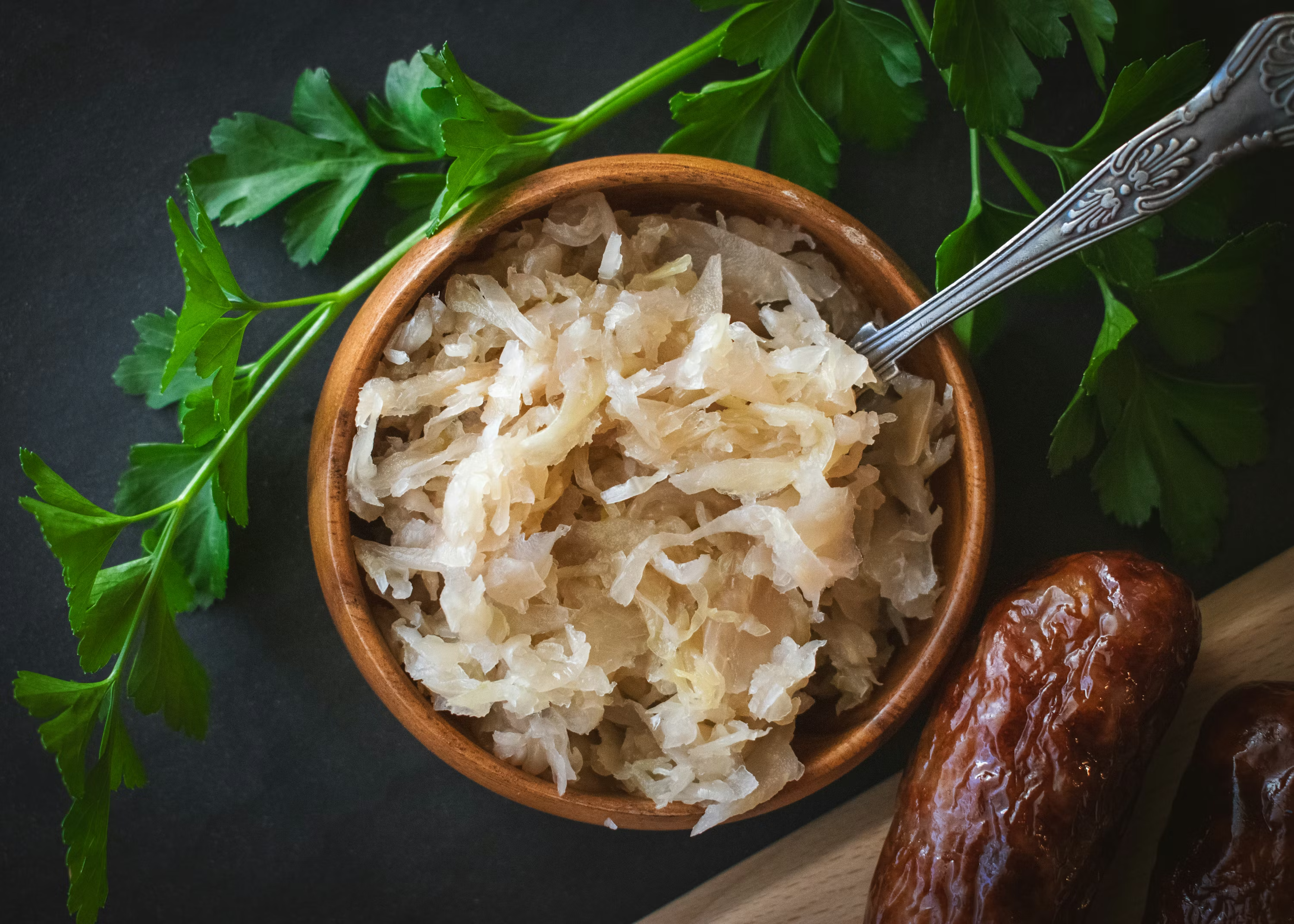
Homemade sauerkraut — just cabbage, salt, and time creates this probiotic powerhouse.
1 SCOBY (symbiotic culture of bacteria and yeast) + 1 cup starter kombucha
8 cups filtered water
½ cup white sugar
4 black or green tea bags
1 gallon glass jar
Clean cloth and rubber band
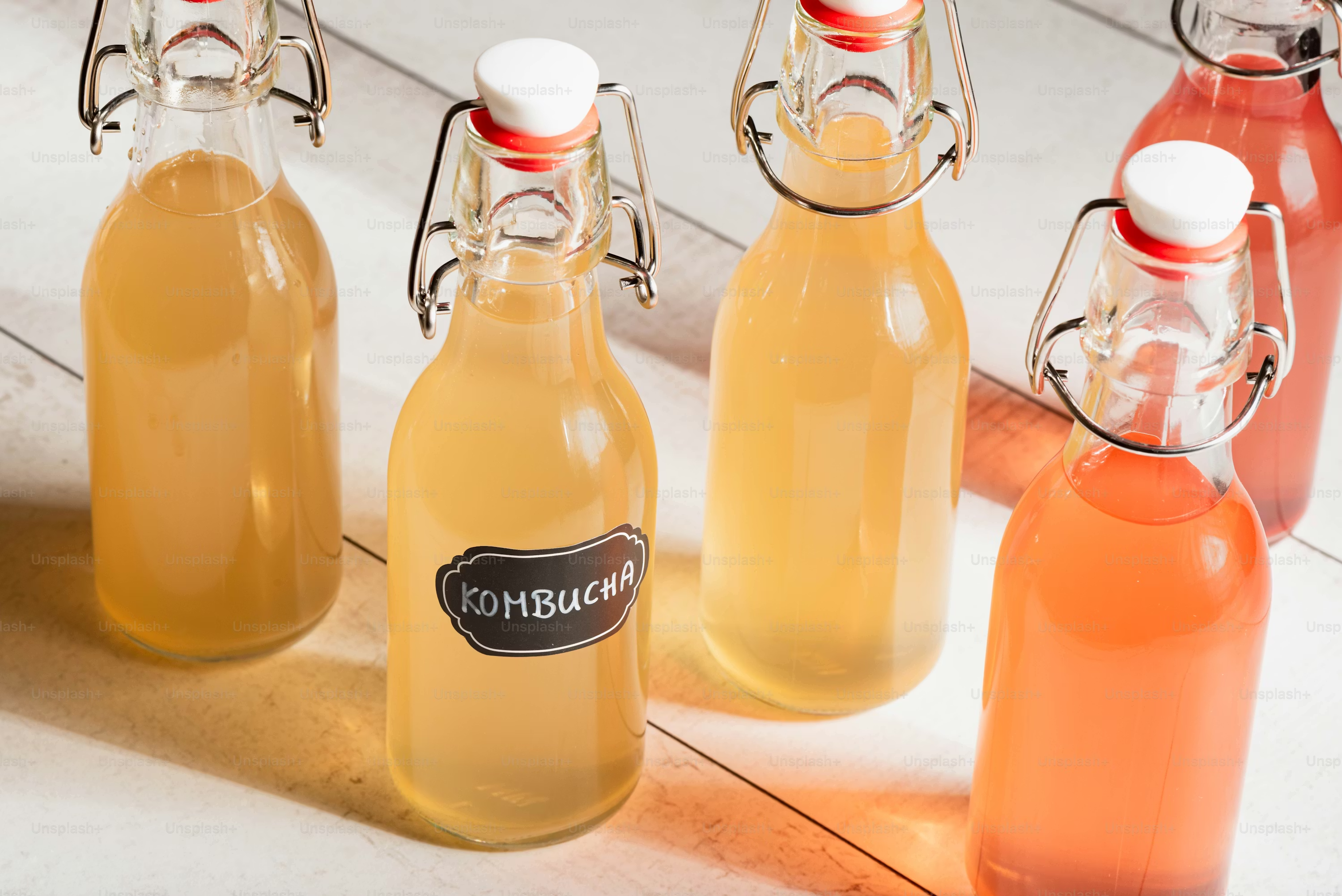
Flip-top bottles for second fermentation
Instructions:
Boil 4 cups of water. Dissolve sugar, then steep tea bags for 10 minutes. Remove tea bags.
Add remaining 4 cups of cool water to bring the temperature down. Pour into your gallon jar.
Once the sweet tea is completely cool (room temperature), add the SCOBY and starter kombucha.
Cover with a clean cloth secured with a rubber band. This allows airflow while keeping out dust and bugs.
Let ferment in a dark spot at room temperature for 7-14 days. Taste after day 7 — it should be tangy and slightly sweet.
When ready, remove the SCOBY and 1 cup of kombucha for your next batch. Bottle the rest.
Optional second ferment: Add fruit juice, ginger, or fresh fruit to bottles. Seal and let sit at room temperature for 2-3 days for natural carbonation. Then refrigerate.
Fermentation is incredibly safe when done correctly, but these guidelines will ensure success:
Keep everything submerged. Vegetables must stay under the brine to prevent mold. Use a fermentation weight, clean stone, or folded cabbage leaf.
Use the right salt. Sea salt, kosher salt, or pickling salt work best. Avoid iodized table salt, which can inhibit fermentation.
Watch for mold. White foam or sediment is normal. Fuzzy mold in any color is not — discard the batch if you see it.
Burp your jars. Especially for active ferments like kimchi and kombucha, release pressure daily to prevent explosions.
Trust your nose. Fermented foods smell tangy and pleasantly sour. If something smells rotten or putrid, compost it and start over.
FAQ: Fermented Foods
How much fermented food should I eat per day?
Start with 1-2 tablespoons daily and gradually increase. Too much too fast can cause bloating as your gut adjusts to the new bacteria. Work up to ¼ to ½ cup per day for optimal benefits.
Are store-bought fermented foods as good as homemade?
Not always. The kind sold in the refrigerated section will have more probiotics than shelf-stable canned or jarred varieties because it’s not pasteurized. Pasteurization kills bad—and good—bacteria in sauerkraut and other fermented foods. Look for “raw,” “unpasteurized,” or “live cultures” on the label.
Can I ferment foods if I’m vegan?
Absolutely! Most fermented vegetables, kombucha, sourdough, miso, and tempeh are naturally vegan. Just use soy sauce instead of fish sauce in kimchi, and opt for coconut water kefir instead of dairy kefir.
How long do homemade fermented foods last?
Refrigerated fermented vegetables typically last 3-6 months, sometimes longer. Kombucha lasts 1-3 months refrigerated. Yogurt and kefir are best within 2 weeks. The flavor will continue to develop and sour over time.
Do fermented foods contain alcohol?
Most fermented vegetables contain negligible amounts of alcohol. Kombucha typically contains less than 0.5% ABV, though some homemade batches may reach 2-3%. If avoiding alcohol entirely, stick to fermented vegetables and yogurt.
Conclusion: Start Your Fermentation Journey Today
Fermented foods are more than a health trend — they’re a time-honored tradition that transforms simple ingredients into nutrient-dense, flavor-packed superfoods. Whether you start with a jar of homemade sauerkraut, a batch of spicy kimchi, or a gallon of bubbly kombucha, you’re taking a delicious step toward better gut health and culinary creativity.
Your fermentation journey starts with just one jar — which ferment will you try first?
At TeamFoodie, we believe the best food is food you make yourself — and fermentation is the ultimate DIY kitchen project. Start small, be patient, and trust the process. Your gut (and your taste buds) will thank you.
Which fermented food are you making first? Drop a comment below! And don’t forget to check out our sourdough starter guide, gochujang recipes, and complete food trends guide for more kitchen inspiration!