

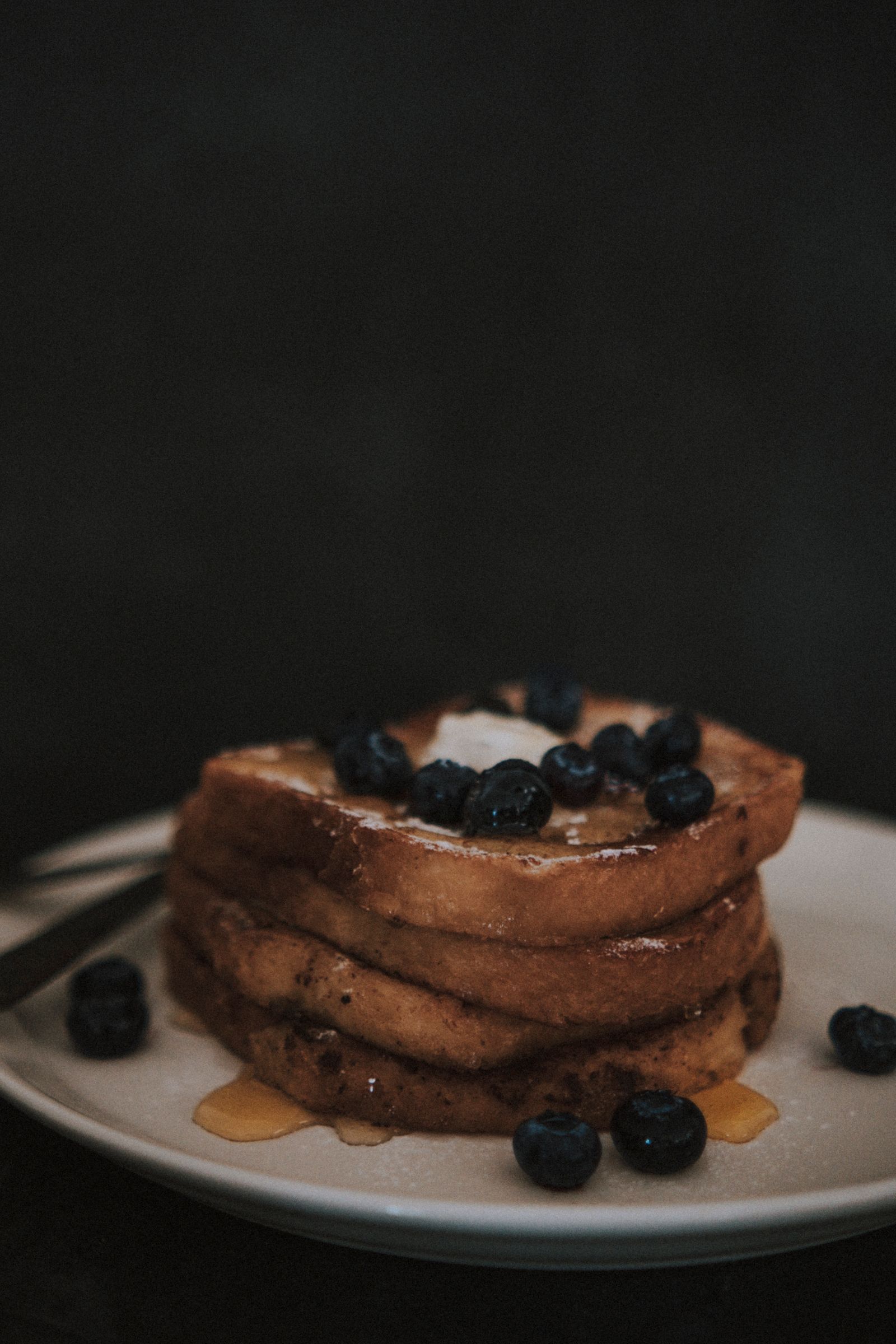
This classic French toast is golden, custardy in the centre, and ready in about 15 minutes. Slightly stale bread and a short soak make all the difference between soggy toast and the real thing.
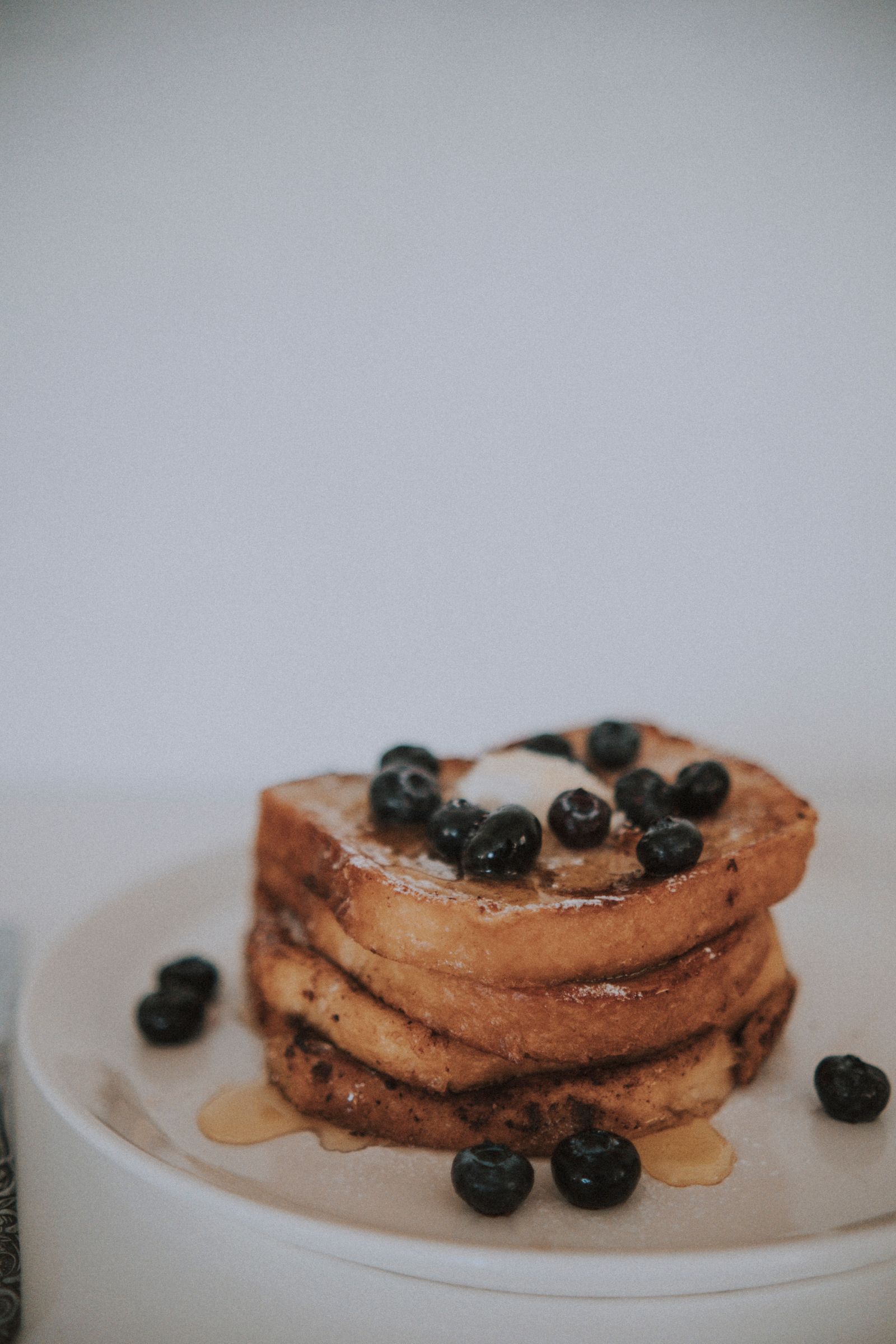
Why this French toast recipe works
- Slightly stale, thick-cut bread soaks up the custard without turning mushy.
- A mix of milk and a little cream gives a richer, more custardy centre than milk alone.
- Medium heat, not high, cooks the inside through before the outside over-browns.
- Ready in about 15 minutes, using ingredients you likely already have.
Looking for more breakfast ideas? Browse our breakfast and brunch recipes, or try our fluffy pancakes next.
Recipe details
- Serves: 4
- Preparation: 5 minutes
- Cooking: 10 minutes
Ingredients
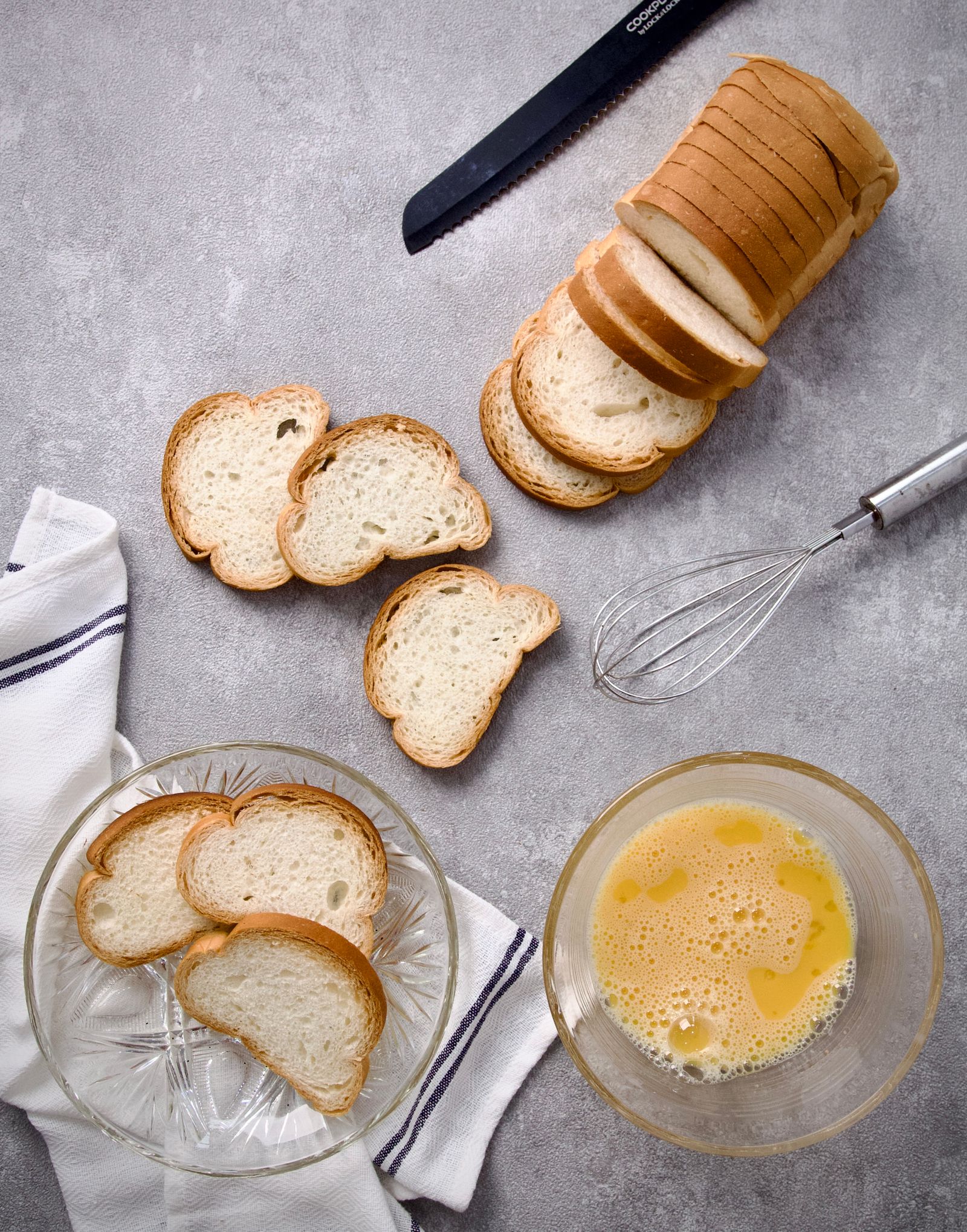
- 4 to 6 thick slices of slightly stale bread, such as brioche or a white farmhouse loaf
- 3 large eggs
- 150 ml milk
- 60 ml single cream (or extra milk)
- 1 tablespoon caster sugar
- 1 teaspoon vanilla extract
- ½ teaspoon ground cinnamon
- Pinch of salt
- Butter, for the pan
- Maple syrup and fresh berries, to serve
How to make French toast
1. Make the custard
Whisk the eggs, milk, cream, sugar, vanilla, cinnamon and salt together in a wide, shallow bowl or dish until fully combined.
2. Soak the bread
Dip each slice of bread into the custard, turning once, and let it sit for 20 to 30 seconds per side. Slightly stale, drier bread absorbs the custard evenly without falling apart, whereas very fresh bread can turn mushy.
3. Cook the toast
Melt a little butter in a large frying pan over medium heat. Add the soaked bread in batches and cook for 2 to 3 minutes per side, until golden brown and cooked through in the centre.
4. Keep warm and serve
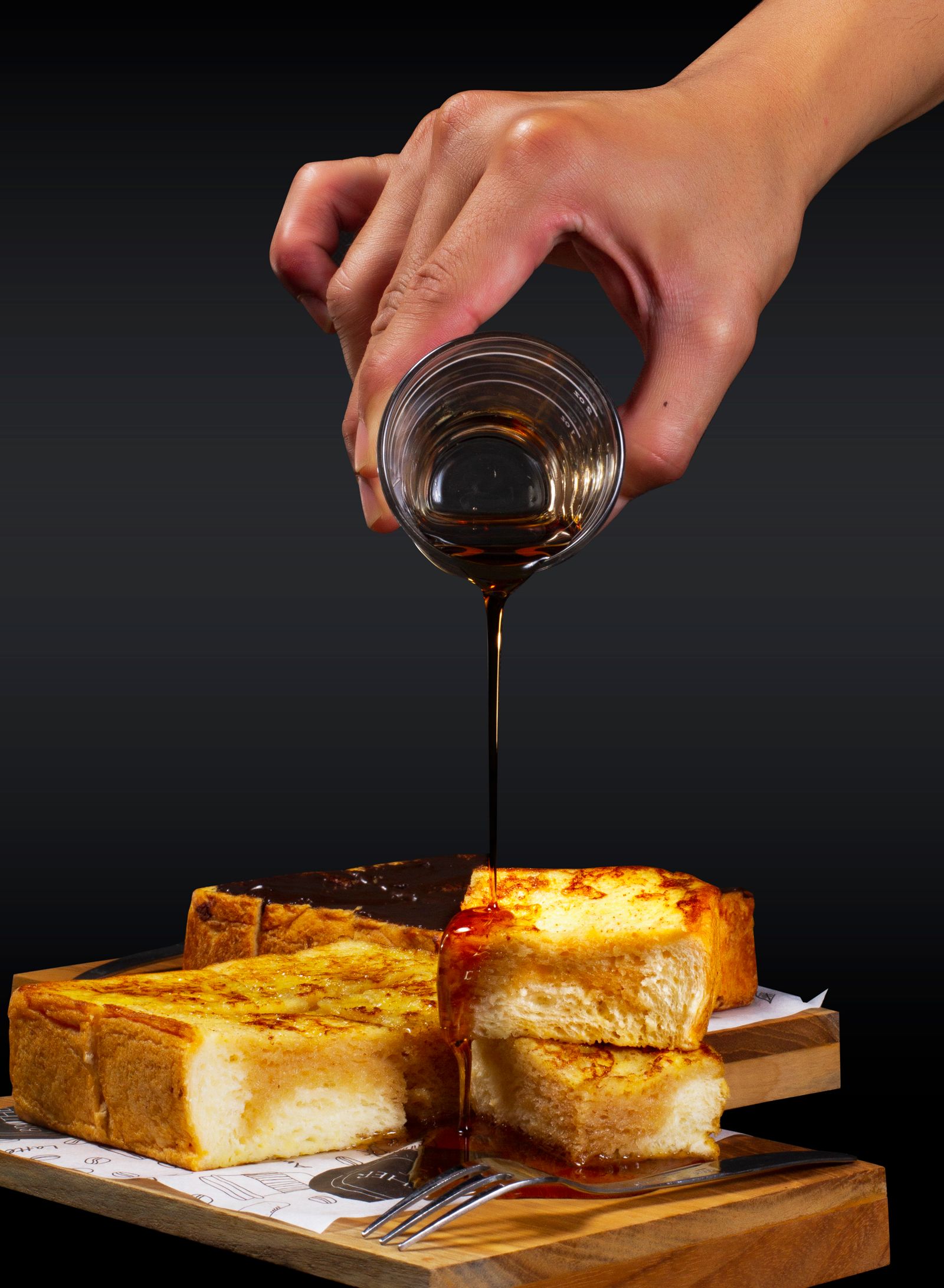
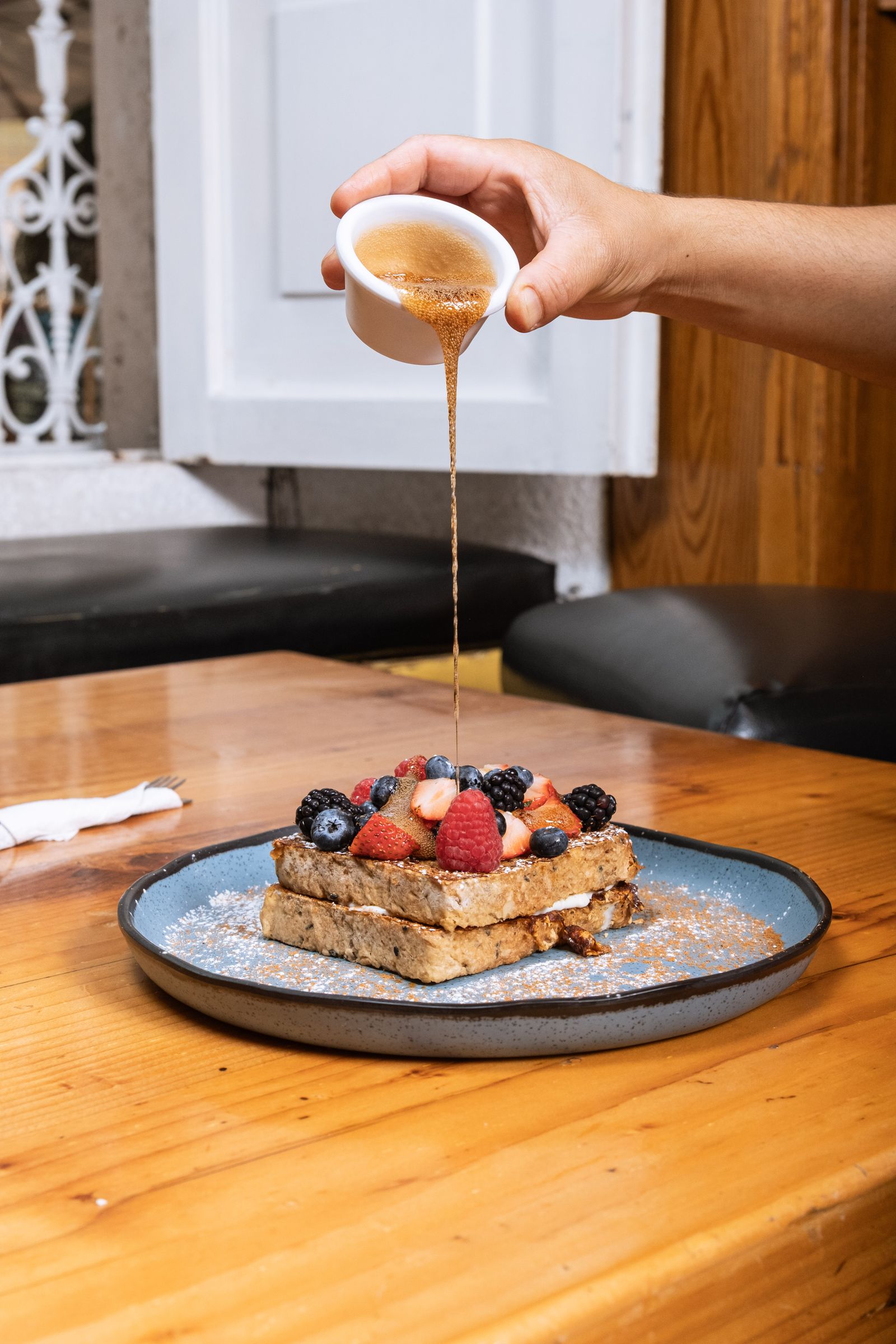
Keep cooked slices warm in a low oven while you finish the rest. Serve warm with maple syrup, fresh berries, and a dusting of icing sugar if you like.
Tips for the best texture
- Use bread that is a day or two old, or lightly toast fresh bread first to dry it out slightly.
- Do not over-soak the bread; a short 20 to 30 second dip per side is enough for most loaves.
- Keep the heat at medium so the custard cooks through before the outside burns.
- Thicker slices, around 2 cm, hold up better and give a more custardy centre than thin ones.
Variations
- Stuffed French toast: sandwich a thin layer of cream cheese or fruit compote between two slices before soaking.
- Banana French toast: top with sliced banana and a drizzle of honey instead of maple syrup.
- Savoury French toast: leave out the sugar and cinnamon, and serve with cheese and sautéed mushrooms.
- Dairy-free: use a plant-based milk in place of the milk and cream.
Storage and reheating
Store cooled French toast in an airtight container in the refrigerator for up to 2 days. Reheat in a toaster or dry pan until warmed through and slightly crisp again. To freeze, layer with baking paper and freeze for up to 2 months, then reheat from frozen in a toaster or oven.
Frequently asked questions
Why is my French toast soggy?
This is usually fresh, soft bread that has been over-soaked. Use slightly stale, thicker bread and limit the soak to 20 to 30 seconds per side.
Can I make the custard the night before?
Yes, whisk it together and store covered in the refrigerator overnight. Whisk again briefly before using, as the ingredients can separate slightly on standing.
What bread works best for French toast?
Thick-cut, slightly stale bread such as brioche, challah, or a sturdy white farmhouse loaf holds up best. Very soft sandwich bread tends to fall apart.
Can I make this ahead for a crowd?
Cook the slices in batches and keep them warm on a tray in a low oven, around 90°C, until ready to serve.
Can I freeze French toast?
Yes, cool completely, layer with baking paper, and freeze for up to 2 months. Reheat from frozen in a toaster or oven until hot.
For more sweet breakfasts, see our easy banana bread recipe.