

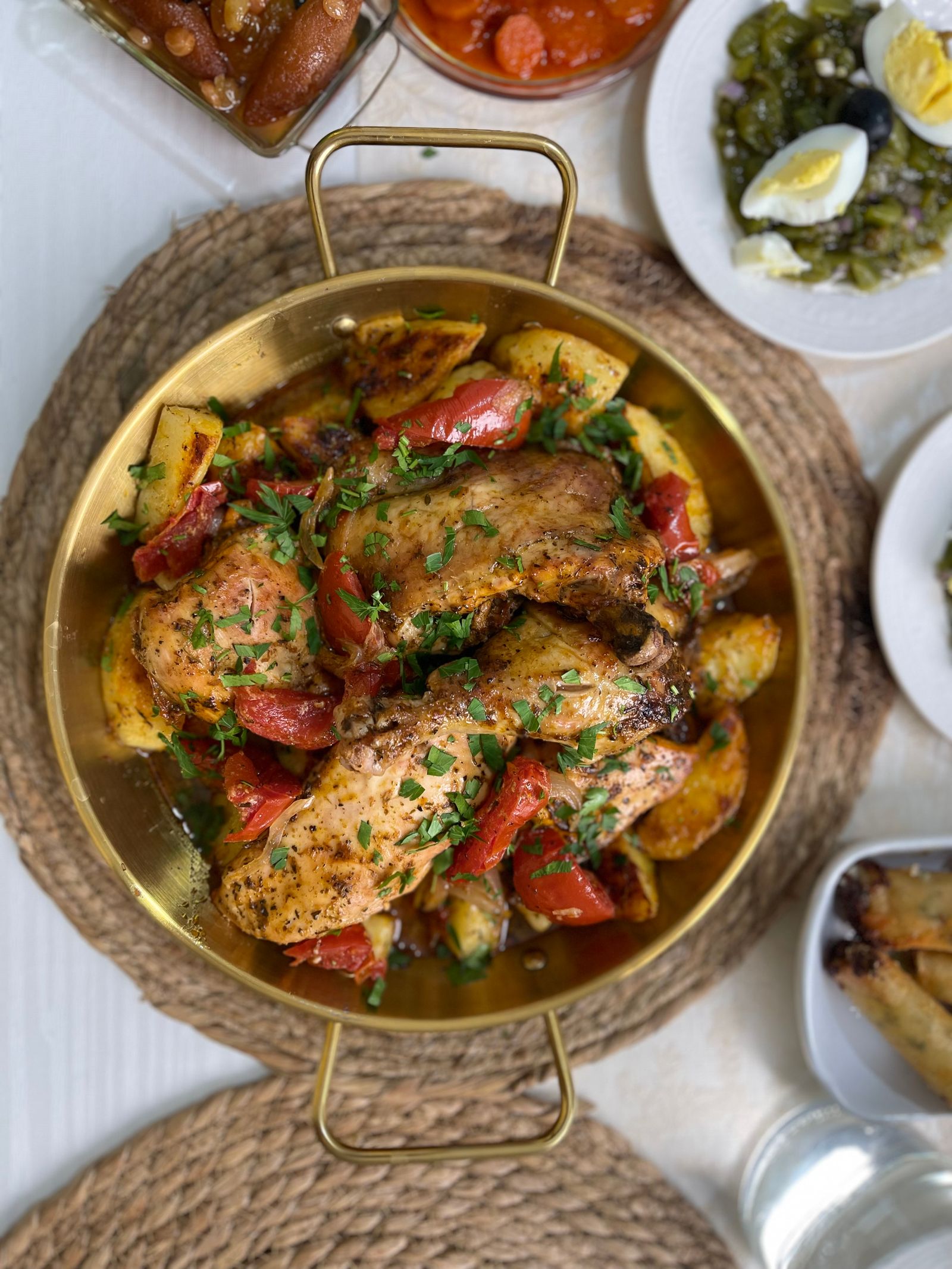
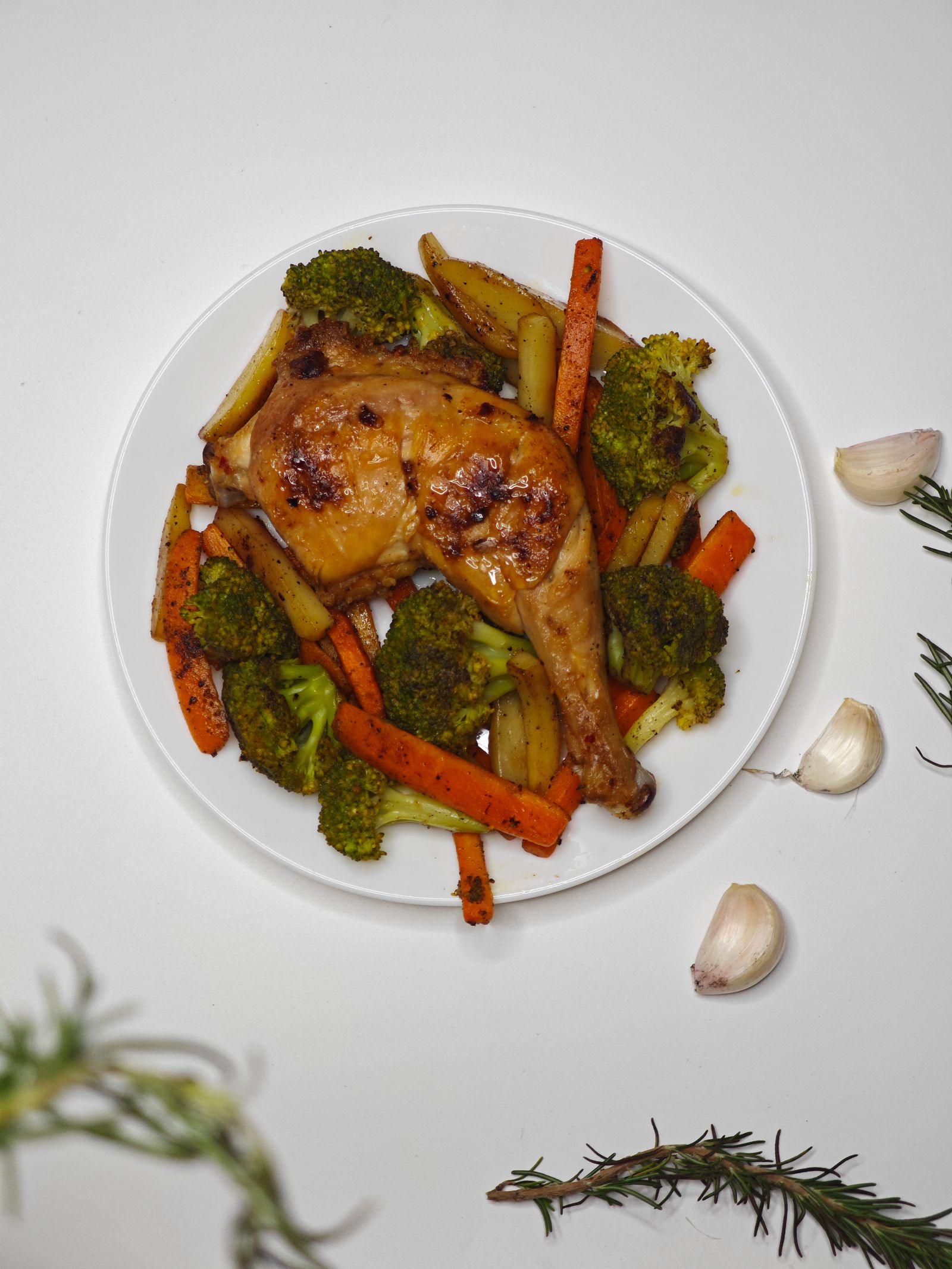
This sheet pan maple mustard chicken bakes alongside brussels sprouts, sweet potato and red onion, all coated in one sticky, tangy sauce. It’s a full dinner on a single tray, ready in about 40 minutes, and there’s barely anything to wash up afterward.
Why This One-Pan Dinner Works So Well
Maple and mustard is one of those pairings that just makes sense once fall hits. The maple brings warmth and a little sweetness, the mustard cuts through it with sharpness, and together they turn plain chicken thighs and root vegetables into something you’d actually look forward to on a Tuesday. Everything cooks on one tray at the same temperature, so there’s no juggling pots or timing separate sides. You season, you roast, you eat.
What You’ll Need
- 4 bone-in, skin-on chicken thighs (or 6 boneless thighs)
- 1 pound brussels sprouts, halved
- 1 medium sweet potato, cut into 1-inch cubes
- 1 red onion, cut into wedges
- 3 tablespoons olive oil, divided
- 3 tablespoons maple syrup
- 2 tablespoons Dijon mustard
- 1 tablespoon apple cider vinegar
- 2 cloves garlic, minced
- 1 teaspoon dried thyme
- Salt and black pepper, to taste
How to Make Sheet Pan Maple Mustard Chicken
1. Mix the maple mustard sauce
Whisk the maple syrup, Dijon mustard, apple cider vinegar, garlic and thyme together in a small bowl. Set it aside. You’ll use part of it now and save some for drizzling at the end.
2. Season everything and get it on the pan
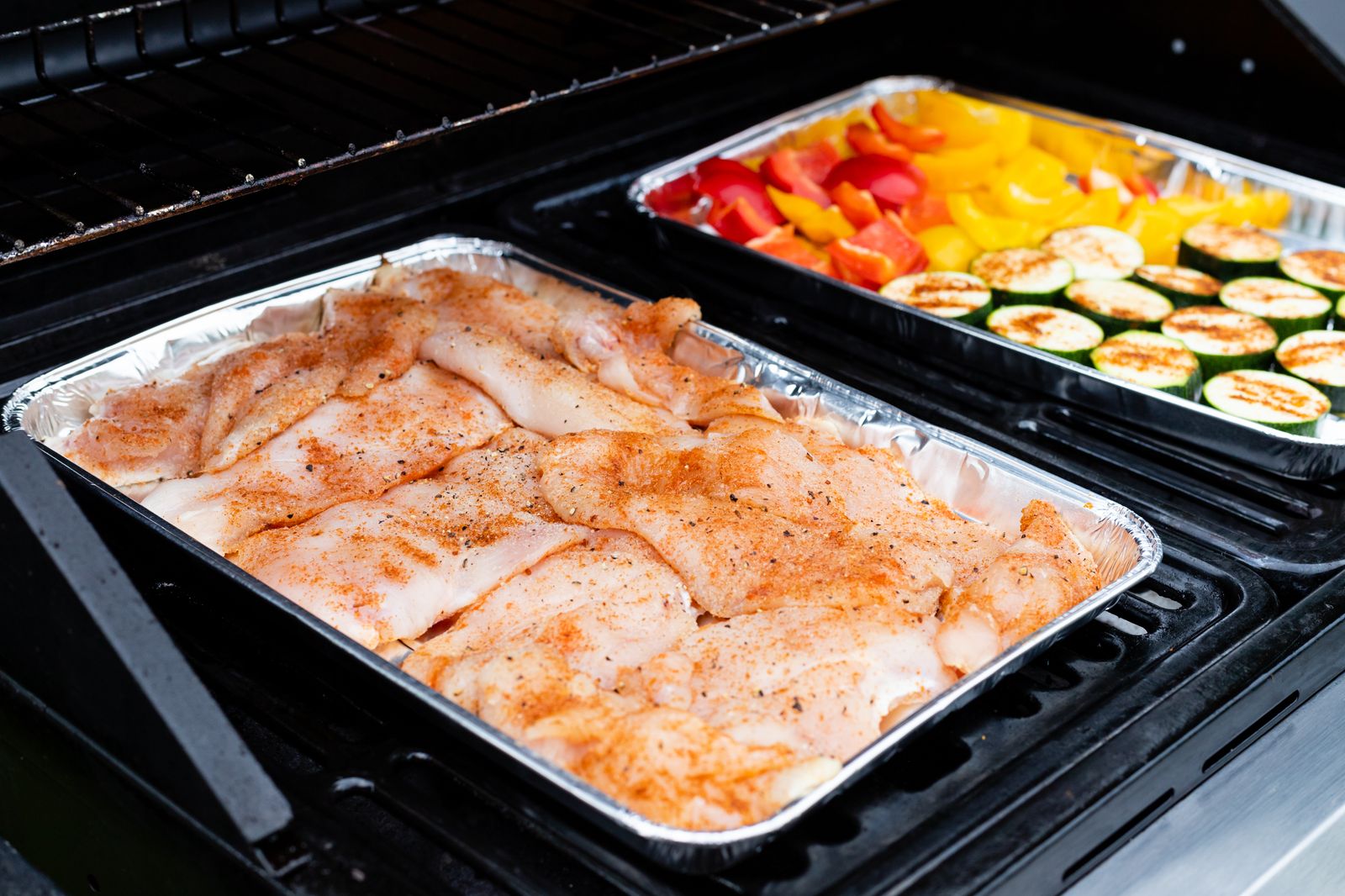
Heat your oven to 425°F. Toss the brussels sprouts, sweet potato and red onion with 2 tablespoons of olive oil, salt and pepper, then spread them out on a large sheet pan. Pat the chicken thighs dry, rub them with the remaining olive oil, salt and pepper, and nestle them among the vegetables skin-side up.
3. Brush on the sauce and roast
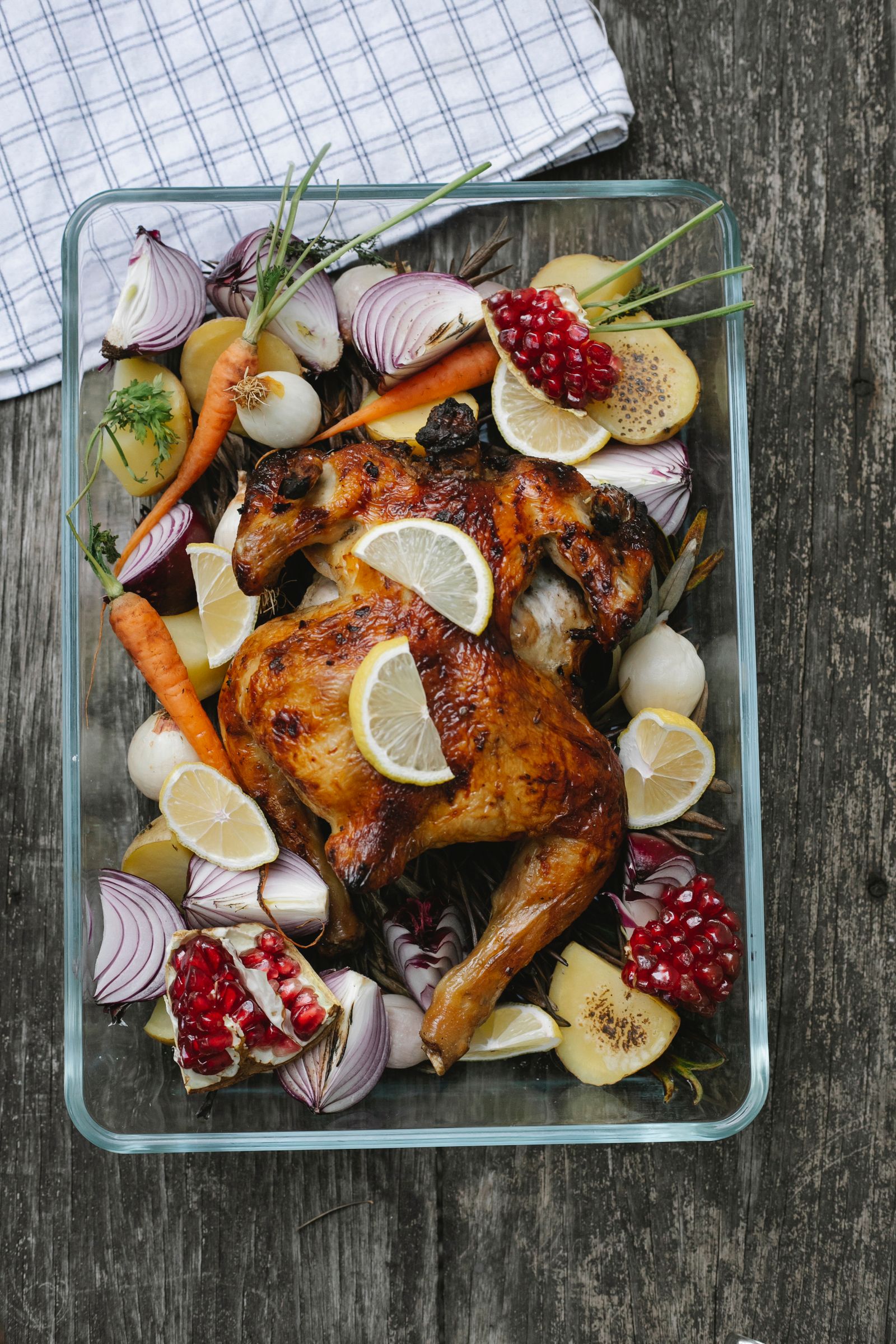
Brush about two-thirds of the maple mustard sauce over the chicken and vegetables, keeping the rest for later. Roast for 30 to 35 minutes, stirring the vegetables once around the halfway mark so they brown evenly, until the chicken hits 165°F and the skin is deeply golden.
4. Finish with the extra sauce
Pull the pan out, drizzle the reserved sauce over everything while it’s still hot, and let it rest for five minutes before serving. That short rest gives the sauce time to soak in instead of just sitting on top.
Tips for Getting It Right
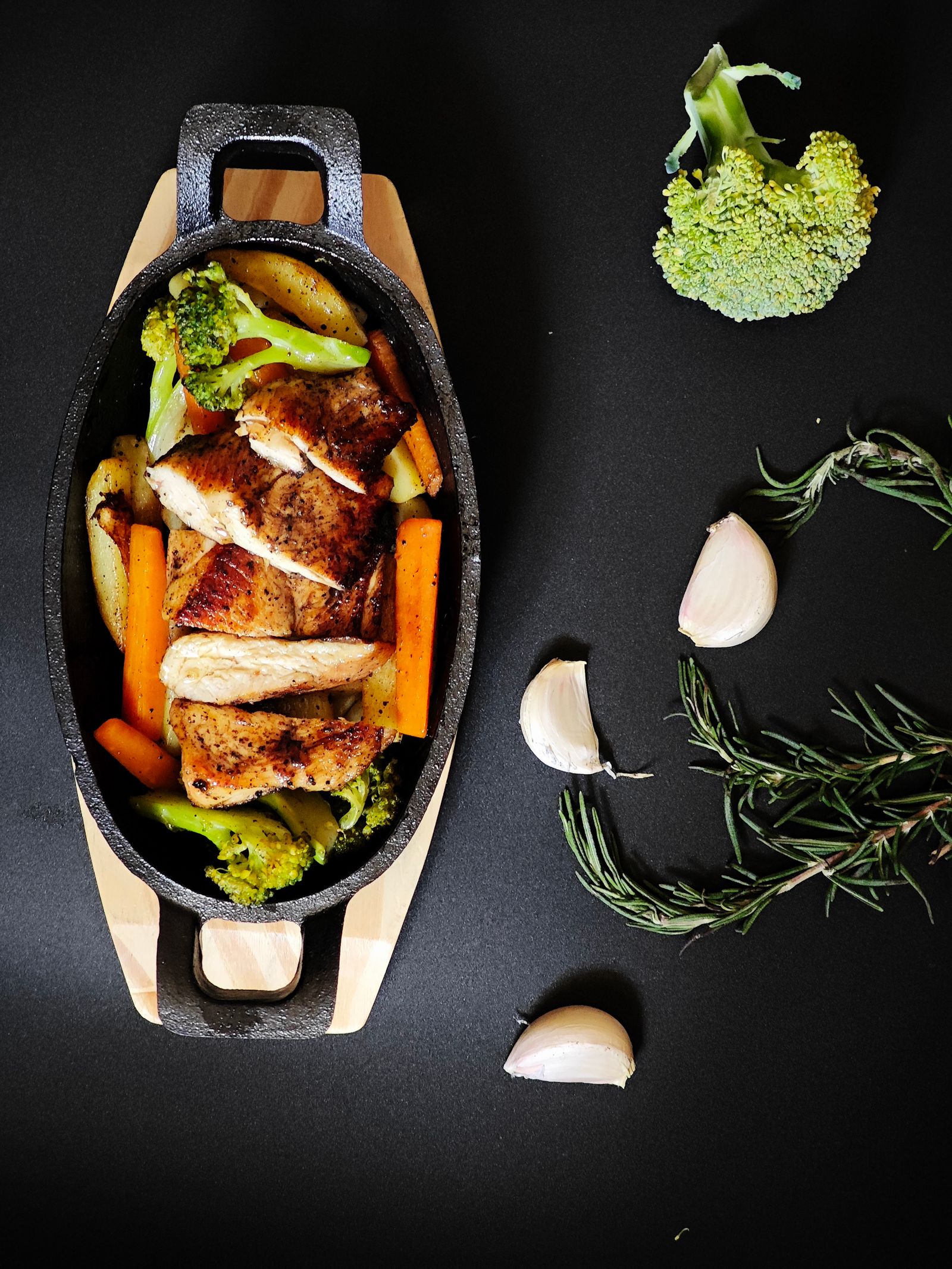
- Cut the sweet potato and brussels sprouts to a similar size so they finish roasting at the same time as the chicken.
- Don’t skip patting the chicken dry. Wet skin steams instead of browning.
- If your pan looks crowded, use two trays instead of one. Crowding is the main reason vegetables turn soft rather than caramelized.
- Bone-in thighs stay juicier than breast here and can handle the full roasting time without drying out.
What to Serve With It
This dinner really doesn’t need much else, but a slice of crusty bread for mopping up the sauce never hurts. If you want something green on the side, a simple Classic Caesar Salad or a bowl of Roasted Carrot and Red Lentil Soup rounds out the meal nicely for cooler nights.
Frequently Asked Questions
Can I use chicken breast instead of thighs?
You can, but keep a close eye on it. Breast cooks faster than thighs and dries out if it goes past 165°F internal temperature, so start checking around the 22-minute mark.
What other vegetables work here?
Carrots, parsnips, butternut squash and cauliflower all roast well alongside the chicken. Swap in whatever fall vegetables you have without changing the timing much, since they’re all similar in density.
Can I make this ahead?
Yes. Mix the sauce up to two days ahead and keep it in the fridge. The finished dish also reheats well, so leftovers make an easy lunch the next day.
How do I know the chicken is done without a thermometer?
A meat thermometer is the most reliable way to check, and the USDA recommends 165°F for poultry. If you don’t have one, pierce the thickest part of the thigh; the juices should run clear with no pink near the bone.
Craving something with more heat instead? Our Swicy Recipes roundup and Chicken Pot Pie are two more cozy dinners worth bookmarking this season.